
The case, step by step
Six steps. Each one builds on the one before it. Click a step to read it.
What we own
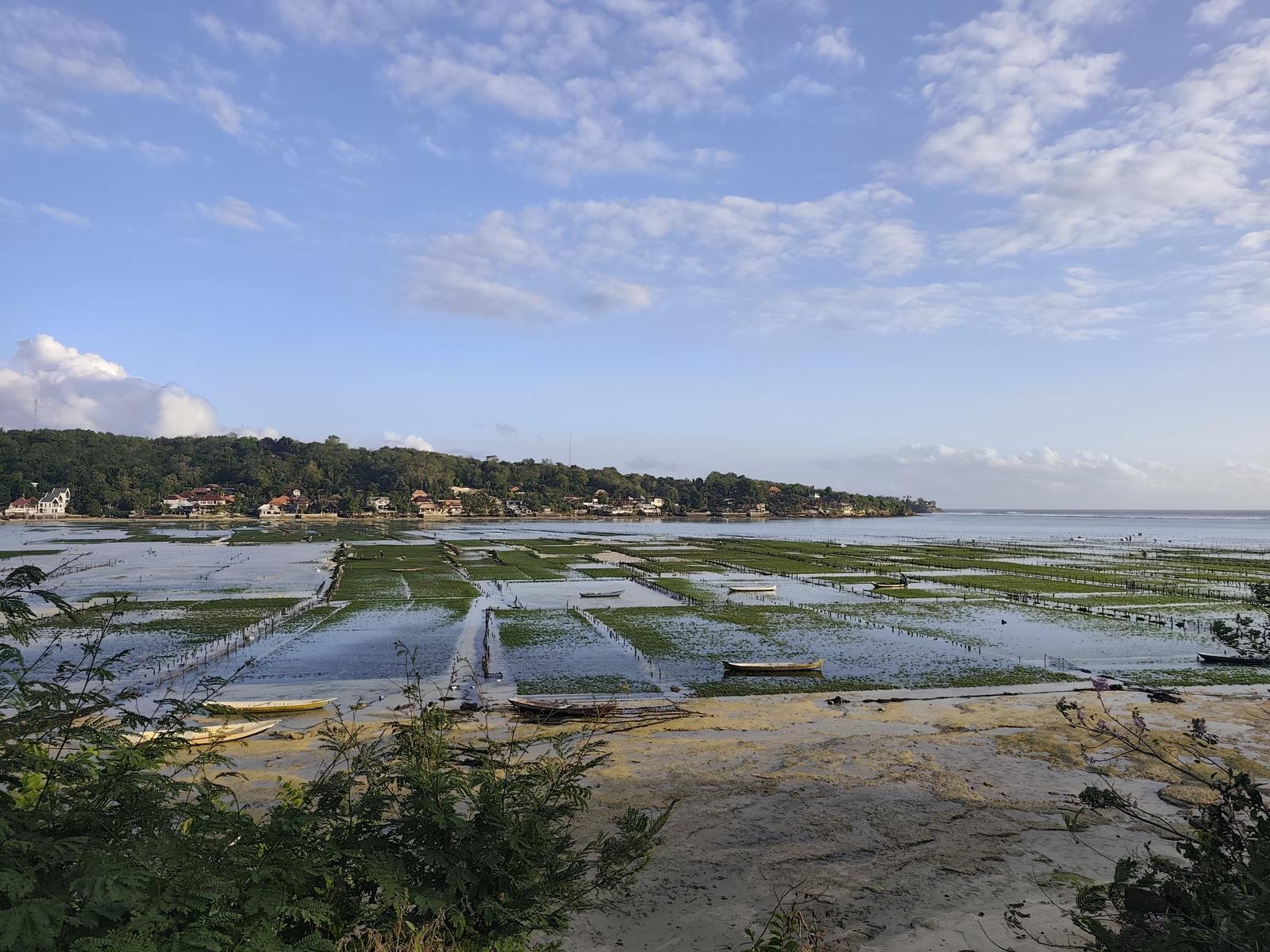
A coastal parcel at Teluk Laikang in Takalar Regency, held under lease, with cultivation ponds, warehousing, a mechanical press and a quality control laboratory. Site control on a working coast takes years to assemble.
What it produces
Graded biomass is shipped today. A seaweed bio-stimulant for agriculture and a freeze-dried kefir additive for beverage manufacturers are in development, and a research program is looking at higher value compounds in the same material.
Who pays
Revenue today comes from graded biomass bought by industrial processors. The two products are pre-revenue and are intended to reach market through formulation and offtake partners rather than direct to consumers.
Why it compounds
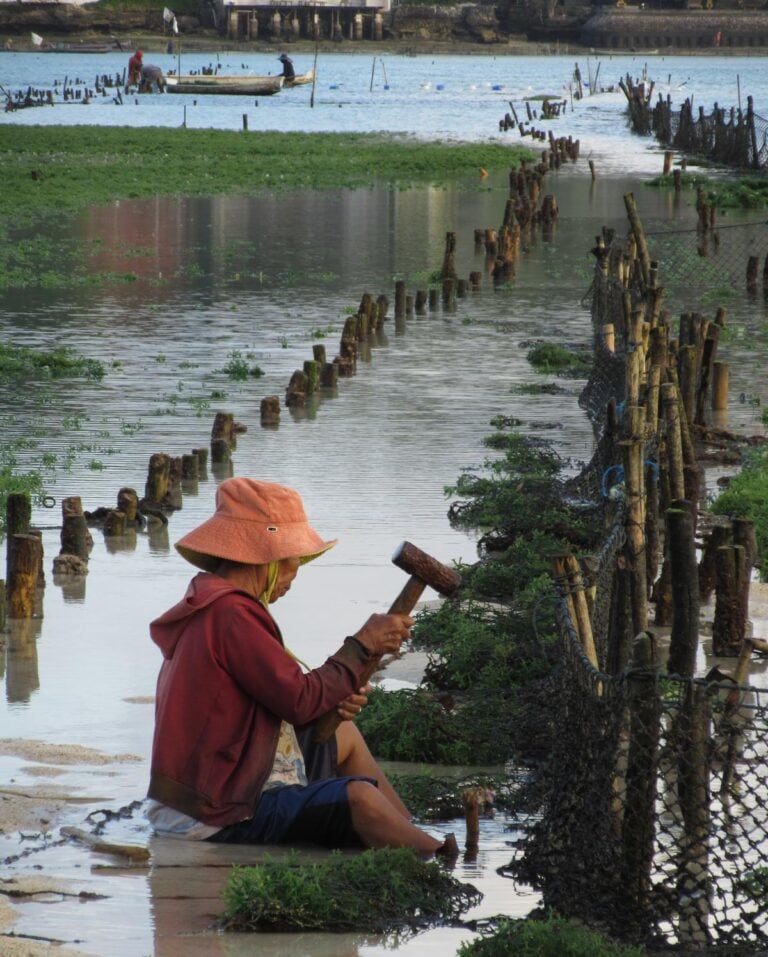
Every new output stream uses the same lease, the same growers and the same processing line. The cost of the site is already carried, so each new stream is added to infrastructure that exists. Processing capacity is the constraint, and that is what we are building.
Our partners
Agreements with Indonesia's research agency, a maritime institute in Makassar, a UN industrial development body and a Singapore polytechnic give us laboratories, technical staff and species research we could not fund on our own.
This raise
Land based tanks, the hatchery and the quality control fit-out. Defined items of physical infrastructure on a site we already hold, each of which lifts what the park can process.